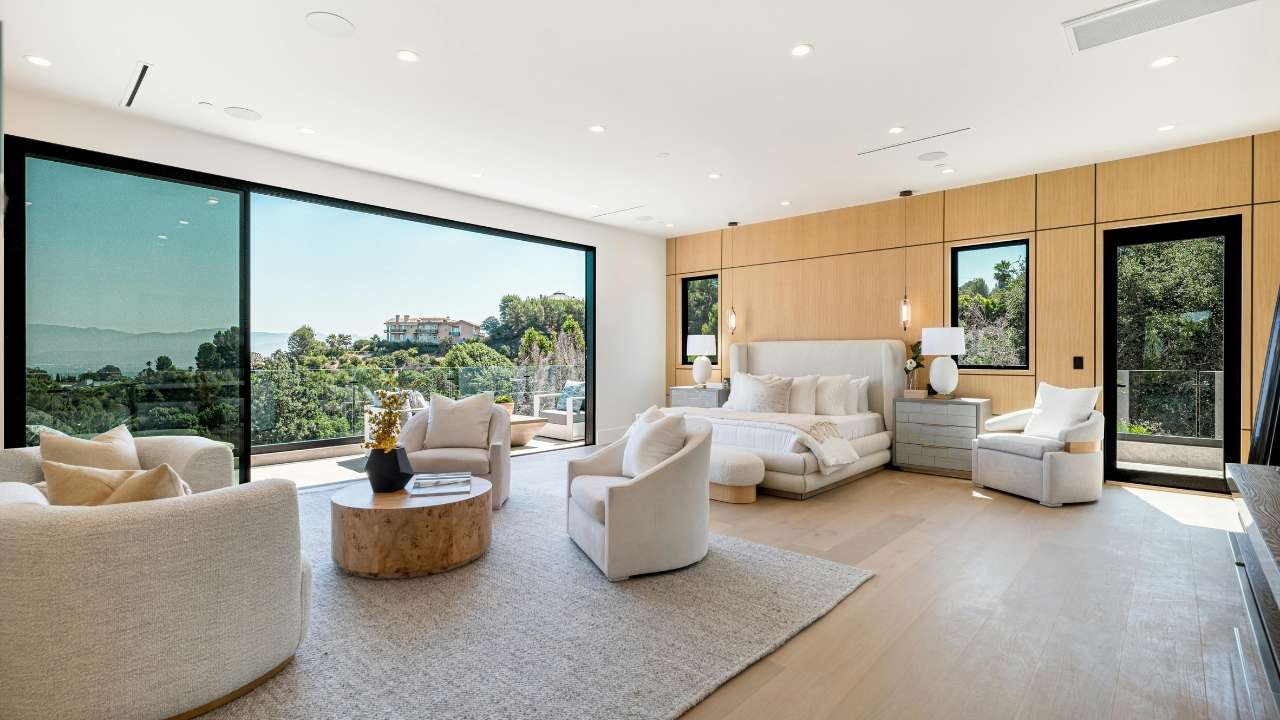
The title of this poem, Briggananaes Which Light, may appear to be a strange saying, yet it has got a very beautiful and deep meaning. It challenges us to consider how light might be a passage–a linkage between darkness and illumination, between a dwelling and a home, between puzzlement and inspiration in our respective residential areas. This concept is not a conventional phrase used in interior design although it may be comprehended as a philosophy of lighting. It is the quest of a light that is not merely a brightener of a room, but offers a base of comfort, clarity and connection. This article will explore the symbolic trip of Briggananaes Which Light, discover its layers of meaning and how to use the perennial wisdom to make your home not only well-lit, but fully enlightening to your daily life.
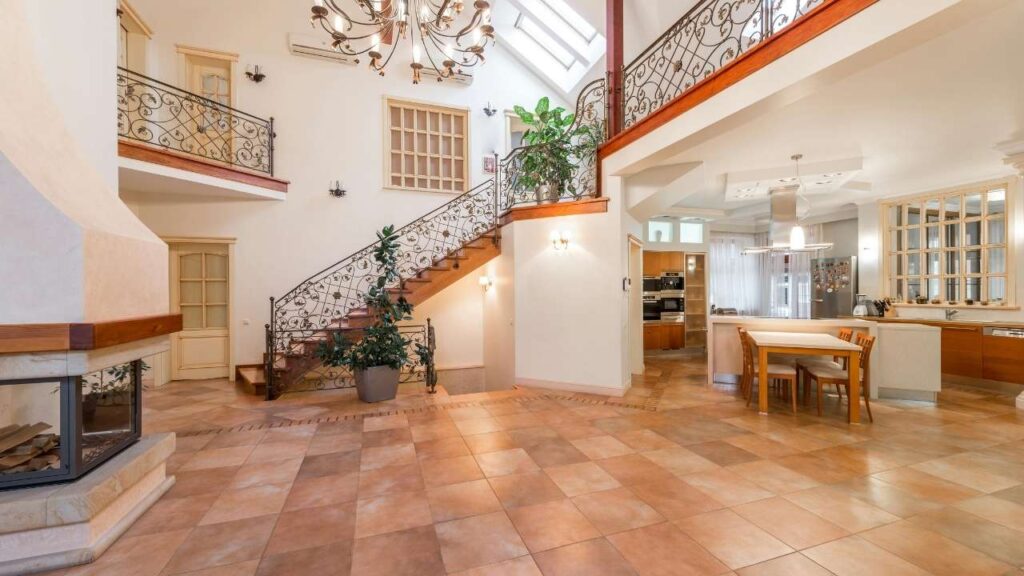
What is the Core Meaning of Brigganaes Which Light?
In order to really understand “Briggananaes Which Light,” it is better to deconstruct its elements. Briggananaes is a term that seems to have an older linguistic heritage, and commonly associated with terms such as brigant or bridge. Traditionally, these words imply such concepts as power, balance and the process of bridging two different parts. Consider a bridge–a bridge is a firm construction that enables one to pass through safely between one thing and another so as to be a source of movement and communication.
In combination with this concept, Light, the universal symbol of knowledge, hope, and truth, the words become a powerful metaphor. Briggananaes Which Light is thus a metaphor of a bridge that brings light. It is the mechanism that governs you, the principle which takes you out of the state of uncertainty to the state of understanding, of the dark to the state of light and benignity. At home, it is about the discovery of the lighting options that will be a sure way of creating a seamless transition to an ideal atmosphere, environment, and use of each room.
The Historical and Philosophical Echoes of Illumination
The symbolism of the poem “Brigganaes Which Light” is very close to the themes that have been active since the dawn of humanity. The light as a divine and enlightening energy is widespread in ancient civilizations. Egyptians worshipped Ra, the sun God, who was the supreme giver of life and light, whereas the ancient Greeks linked the light, healing and truth to Apollo. This light worship is also present in other major world religions, and in these religions, it is often used as a metaphor representing Godly truth and direction. Light has also been the long-time explanation of seeking knowledge and awareness by philosophers.
The Allegory of the Cave, a popular work by Plato, is a strong analogy of the enlightenment process as he imagined it and the breakthrough into the bright light of the sun. The notion of light then found its way into the thought of other scholars such as Descartes who used the concept to denote the clearness of reason. These historical and philosophical backgrounds deepen our appreciation of the historical background of the phrase “Briggananaes Which Light” as it is more than a phrase, a metaphor of the human equivalent of seeking enlightenment. It serves to remind us that wisdom and having a home that is well lit needs a solid basis (the bridge) and that it needs a clear, intentional light (the light).
Brigganaes Which Light as a Spiritual and Inner Guide
At a more personal level, “Brigganaes Which Light” has very heavy weight on spiritual and inner development. Light is a major metaphor applied in many spiritual traditions across the world to describe consciousness and divine presence and inner awakening. It is the very spirit of spiritual truth and the way to self realisation. Light is frequently used in such practices as meditation to represent a larger state of consciousness and a radiant awareness that can fill your whole being.
This concept of a bridge of light is also found in mystical traditions, where a spiritual pathway refers to a sacred path connecting our normal experience as humans to some higher state of knowledge or to the divine. When we translate this into what we do with our individual spaces, Brigganaees Which Light is a guideline to designing an environment you live in that helps to keep you healthy. It motivates you to perceive the lighting of your house not only as a practical instrument, but as something that could be used to develop resilience, intuition, and a feeling of tranquility. It is about creating a groundwork at home that will help the light on the inside shine brighter.

The Foundation of Home Illumination
The practical use of Briggananaes Which Light in your home starts with the knowledge of the layers of lighting. As a very strong bridge should have several supports. So should a room with lots of light, which should have several kinds of lights to make it a balanced, functional place. The lighting can be typically divided into three critical layers by designers that collaborate to create the ideal atmosphere. The former is the Ambient Lighting that is the primary source of light within a room. It gives the overall, general light that substitutes the darkness and which enables you to move about without any danger. It can be achieved through fixtures that are mounted on the ceiling such as chandeliers or flush mounts.
Recessed as well as even natural light through windows. The second layer is Task Lighting. It is a more task-oriented light that can be used to facilitate a particular activity, like reading, preparing a meal. Orking at a desk or putting on makeup. Task lighting is best exemplified by desk lamps, under-cabinet kitchen lights and bedside reading lamps. The third one is Accent Lighting, which is applied to generate the visual interest and emphasis on certain features in a room, such as a work of art, a bookshelf, or an architectural element. The three layers together form a powerful and versatile lighting system–a real Brigganaes, or background, to the light of your house.
Bridges of Light in Every Room
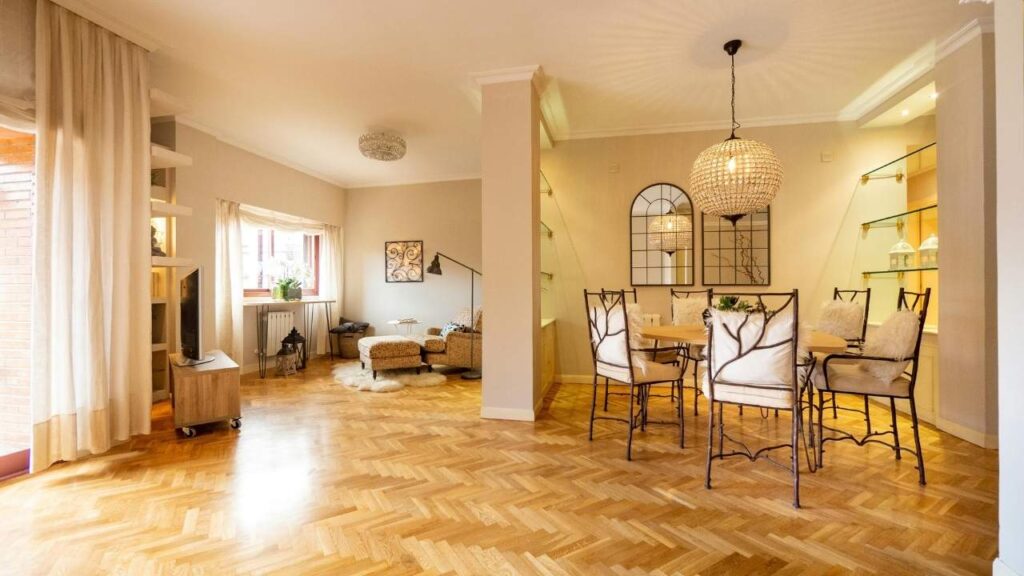
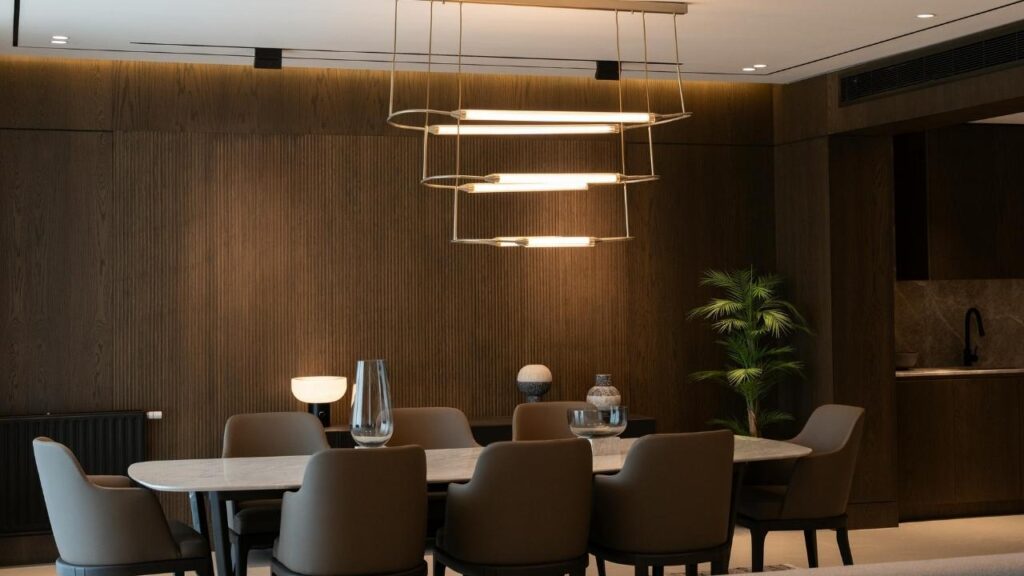
The choice of the fixtures is the physical construction of your own Brigganes Which Light at home. Every one of these kinds of fixtures is a sort of bridge that directs. The light to achieve a particular goal and beautify your space. Recessed lighting is mounted on the ceiling surface in a recessed manner and has an elegant appearance with a clean and smooth finish. Giving the appearance of a wide ambient lighting without encroaching into the space. Pendant lights are suspended from the ceiling. Usually around kitchen islands, dining tables or in doorways. Both as an effective task light and a decorative feature. Wall sconces are installed on the walls and are most versatile.
They may serve to provide ambient light in a hallway. Do task light over your bed or accent light to brighten a wall. To achieve an adaptable and contemporary solution, track lighting is made up of a linear track. Consisting of a series of adjustable headlights. Which allows you to place light right where you require it, and is therefore ideal when it comes to placing light over artwork or when it comes to providing task lighting. And last but not the least, do not disregard the influence of portable lights such as floor and table lamps. They are amazingly flexible and you can add ambient. Task or accent lighting in any corner of the room with ease without any permanent installation.
Understanding Color Temperature and Technology
A light bulb itself is a significant component of the philosophy of Brigganaes Which Light. The kind and quality of the light that you install can drastically change. The atmosphere of a room, serving as a warm and friendly bridge or cold and unkind wall. Color Temperature is one of the most significant categories to comprehend and is represented in Kelvin (K) measures. This scale is used to define the extent to which the light is warm (yellowish) or cool (bluish). Warm White (2700K-3000K) has a very homey and calming effect. Just like candlelight and it is ideal in the living rooms, bedrooms, and dining rooms to create the effect of a relaxing environment. Bright White/Cool White (3500K-4100K) is a cleaner and more dynamic light that is perfect.
When concentrating on working in kitchens, bathrooms and home offices. Daylight (5000K-6500K) is a light that is very bright in blue tone and simulates the light of noon sun and is ideal in the garages, workshops or detailed task lighting. In the present days, modern and efficient lighting is based on LED technology. LED lamps are highly efficient in energy consumption. Have a very long life cycle and come in a huge variety of colour temperature and design. Including smart bulbs that can be adjusted and programmed with your phone. The last, but most important thing in constructing your dependable bridge of light is choosing the appropriate bulb.
Brigganaes Which Light in Contemporary Life
The morals of the lesson “Brigganaes Which Light” are so applicable in finding a way to deal with the intricacies of this life of ours. This philosophy calls and asks us in our personal lives to be a bridge in the lives of others- to disseminate wisdom and provide a steady. Directing presence to family and friends. In terms of leadership, good leaders bring this idea alive by being a source of strength and clearness offering guidance and shedding light in the way ahead in times of confusion. The same principle is also expressed in the current trend in technology and sustainability. Such advanced technologies as high-quality LED lighting.
Solar energy systems that use less energy, and smart grids are all implementations of the desire of men to use light as a transition to a brighter, more sustainable future. Moreover, the enhanced smart home technology will enable us to customize. Our lighting more than ever before with dimmers and apps controlled systems that will enable us to turn. The lights to the ideal brightness to fit any situation. And really create a dynamic lighting experience in our own homes. Here we can see how the ancient symbolism of the phrase “Briggananaes Which Light” can still be a source of inspiration and conscious existence nowadays.
Traditional vs. Brigganaes Which Light
To fully appreciate the “Brigganaes Which Light” approach. It can be helpful to see how it compares to a more traditional, basic lighting mindset. The following table highlights the key differences in philosophy and application.
| Feature | Traditional Lighting Approach | Brigganaes Which Light Philosophy |
| Core Goal | To provide basic visibility and eliminate darkness . | To create a foundation for mood, function, and well-being . |
| Planning Method | Often an afterthought, relying on a single overhead fixture per room . | A deliberate design layer, using 2-3 light sources per room for balance . |
| Functionality | One-dimensional; lights are either on or off. | Multi-functional; uses layers (ambient, task, accent) for different activities and moods . |
| Connection to Space | Purely utilitarian; light is separate from the room’s purpose. | Integrative; light is a “bridge” that connects to and enhances the room’s use and aesthetic . |
| Typical Fixtures | Single ceiling light, basic lamps. | A mix of recessed, pendant, sconce, and track lighting for a layered effect . |
| Adaptability | Fixed and inflexible. | Highly adaptable, often using dimmers and smart technology to change with needs . |
Embracing the Path of Brigganaes Which Light
The title, Briggananaes Which Light, is rather enigmatic. But it turns out to be an excellent piece of advice on personal fulfillment. As well as how to make a wonderful home. It gives a perfect definition of eternal signs of direction, strength, and a sense of change. In its resonances in the history of mankind in its veneration of light and in its practical uses in the stratified lighting of a contemporary living room. It is the expression of our long-standing love of clarity, ease, and optimism.
This is a notion that demands action: to create solid, well-grounded pillars in our lives and our households. To lighten the way towards ourselves and others, and to always find a way to achieve a compromise between structural integrity and visionary brilliance. By the route of the path of Briggananaes Which Light. We are able to read our daily experiences more wisely. Make our houses places of holiness, and make our lives more interrelated and lighted.
FAQ’s
1. Is “Brigganaes Which Light” a historical phrase?
Not exactly. It seems to be a contemporary expression which digs up the ancient linguistic background and profound symbolic tradition. It is powerful because of the metaphorical interpretation of both the old concept of bridges (strength, connection) and light (clarity, hope) as a new and significant idea.
2. How can I use the Brigganaes Which Light concept in my home?
Begin to imagine your lighting as a bridge to a more improved atmosphere. Make sure that in every room there are 2-3 light sources of varying heights (ceiling, wall, table) to give the room a layered appearance. Use warmer bulbs in the cozy (and colder ones in the work areas) and do not forget about dimmers (easy adjustment to the mood).
3. What is the most common mistake in home lighting?
The largest error is the utilization of one, vicious light in every room. This produces undesirable shadows and does not give the pliable, comfortable feeling which ambient, task and accent lighting can furnish.
4. Why is LED lighting often associated with modern illumination?
The reason behind the celebrations surrounding LED bulbs is that they are extremely efficient in energy-consumption. Incredibly long-lived, and come in numerous color temperatures. Most of them are intelligent, and they have options such as color changing or controlling apps. Which makes them an important device to establish a personalized and modern lighting system.
5. How does light color temperature affect the feel of a room?
The temperature of the light color measured in Kelvins (K) is a gigantic factor. Smaller Kelvin numbers (2700K-3000K) result in warm and yellowish light and are comfortable and relaxing to the living room and bedroom environment. Greater Kelvin numbers (3500K-5000K+) yield a colder. More blue light that is fresher and more alert and would be appropriate in kitchens, bathrooms and at workstations.