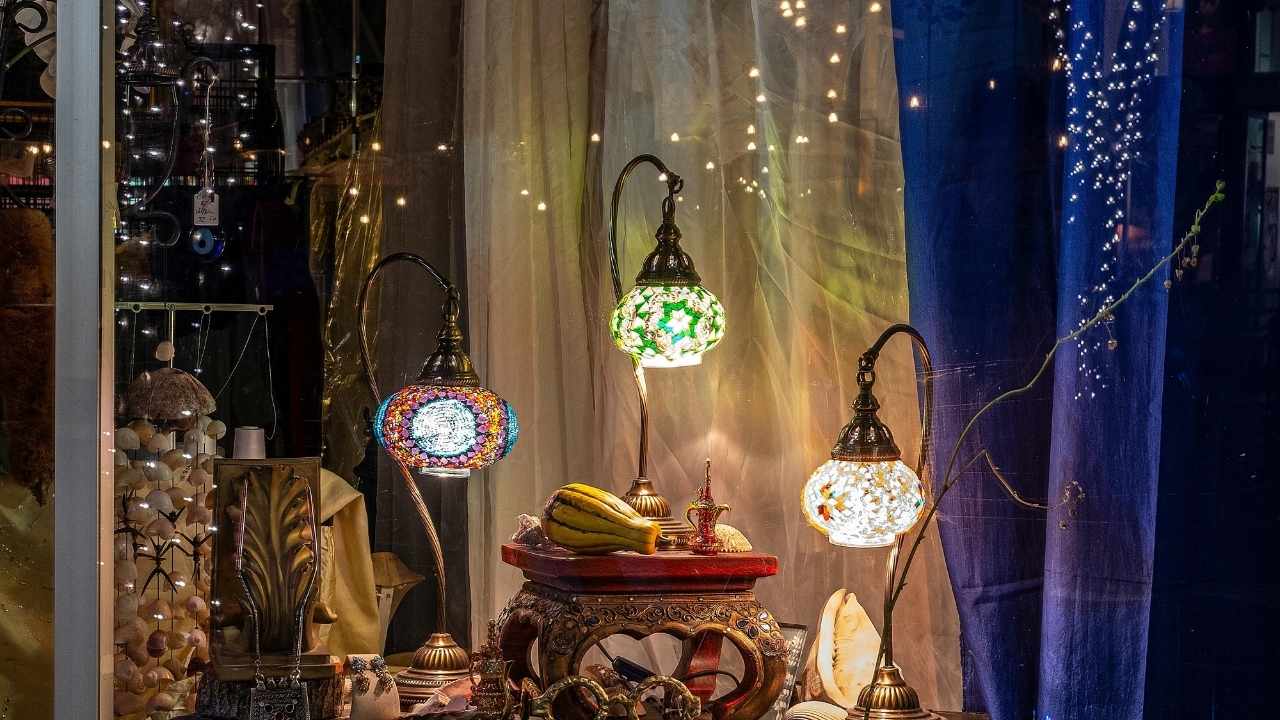
A Lampara tiffany is not just a mere source of lighting, but a practical work of art that may be used to characterize the room all together. This lamp has represented a combination of beauty and craftsmanship and with its recognizable stained glass color, which shines with warm and welcoming colors, this lamp has been a mark of exquisiteness and skill over a century. In case you are considering adding some charm of classic beauty, rich history and individuality to your house, it would be the best place to begin with knowing what the Tiffany lamp is all about.
This is a complete guide that will take you through all the facts about it, including a very interesting story of its appearance and the main features, as well as, some tips on how to select a lamp that is the best fit in your place. You will find out why the Tiffany lamp is still a popular decoration and how you can make its enchanted light a part of your own.
What is a Lampara Tiffany? An Icon of Design
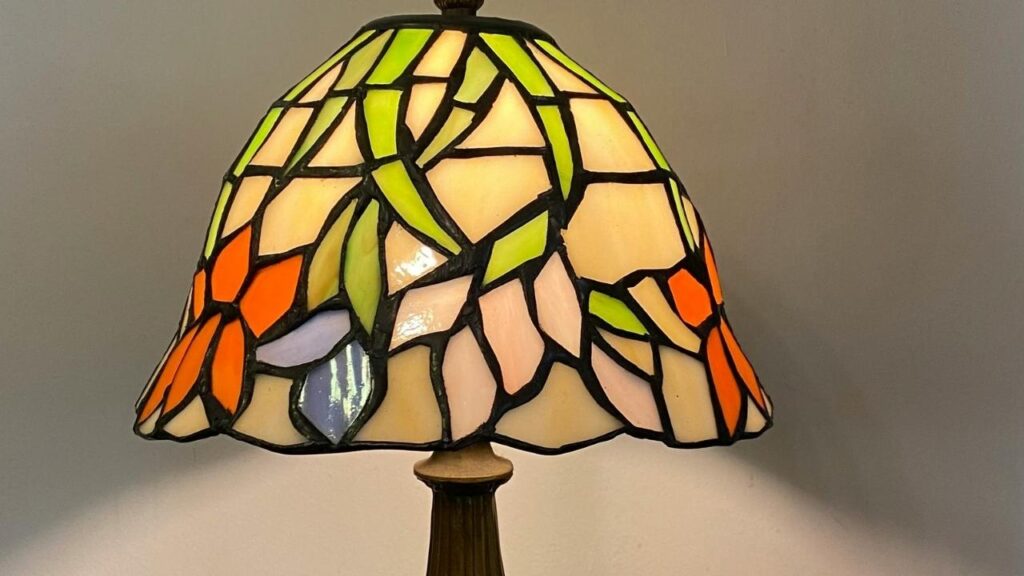
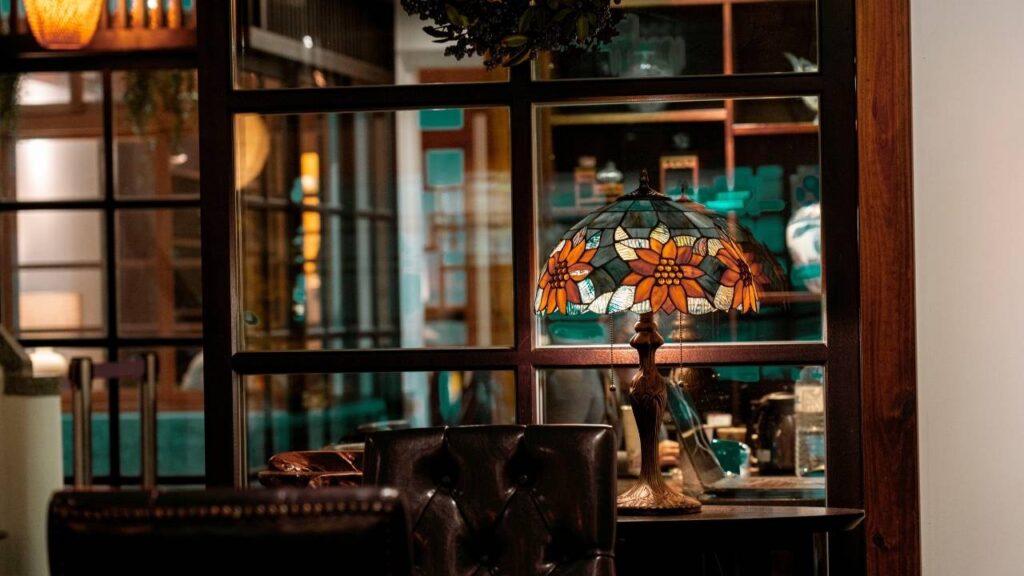
The Lampara tiffany is one of the most famous types of lamp. Its shade is made up of a lot of pieces of colored stained glass. The copper-foil technique is a slow way to put together the glass pieces of the lampshade to make long-lasting, intricate designs. These lamps are thought to be one of the most important parts of the Art Nouveau movement, which was inspired by nature and included flowing lines and organic shapes like flowers, insects, and plants.
It’s important to note that the name started with artist Louis Comfort Tiffany. Today, the lamp with a stained-glass, leaded shade is more commonly known as a Tiffany lamp or Tiffany-style lamp, even if it wasn’t made by his original company. This means that there are a lot of beautiful lamps available today, from priceless antique originals to attractive and affordable modern copies that will give your home the same artistic feel.
The History and Origins of a Timeless Treasure
The Lampara tiffany began in the United States at the end of the 19th century, when the first lamps were introduced, circa 1893. The original lamps were all made by hand and were not produced using a machine. During the last century, the legend about the unique designer has been accepted that it was only the now-famous artist Louis Comfort Tiffany. In 2007 however, an exceptional find was made; some previously-overlooked artist by the name Clara Driscoll was the genius behind the most imaginative and valuable leaded-glass lamps that were made by Tiffany Studios.
Driscoll led a group of female craftsmen who were referred to as the Tiffany Girls. The lamps were extremely popular following their exhibits in the World’s Columbian Exposition in Chicago in 1893. The use of glass and designs that were inspired by nature attracted. The imagination of the people and these lamps became the envy in the homes of the time and a legendary art of the American decoration.
The Copper Foil Technique: How a Lampara Tiffany is Made
The special charm of Lampara tiffany is due to the careful handwork in which this particular process is the copper foil. It is a perfecting process by the studio of Tiffany. Which brings about the detailed curves and pattern of the lamps. The design of every lampshade is a process of accuracy and time. The whole process begins with a sketch on a thick piece of cardboard. And the dots are marked in each spot to correspond to a particular color of glass. The artisans would then put glass over the pattern. Follow the shapes and cut, and grind each bit to the correct shape. The most important process is applying a thin copper foil on the edges of each and every small piece of glass.
These unfinished works are then brought together and the pieces fit carefully together. Then the seams are soldered together uniting the hundreds of glass fragments into one solid and beautiful framework. Lastly, the completed lampshade is immersed in cleansing to show the shining effect of the glass and solder in its brightness. It is this process that is very labor intensive and takes an artisanal process. That puts each Tiffany lamp in its own distinct character and permanency.
Recognizing Authenticity and Quality
In the contemporary market, it is important to know the distinction between an original antique and a good reproduction of the modern world. The original Tiffany lamps of the Tiffany Studios are very rare and are signed by the Tiffany Studios New York and are worth a fortune including millions of dollars at auctions. To a majority of the users who want to have this style at home. They have to choose either well-made reproduction Tiffany lamps (true copies of original designs) or Tiffany-style lamps (novel designs based on the tradition). The quality of any lamp of the Tiffany type can be judged by attention to two points.
Which are: the glass and the solder lines. The fine stained glass used in the lamps of high quality is lively and has depth and is bright with the light or without it. The color combinations are well-balanced and the patterns are distinct. On the contrary, the quality of glass used in cheap imitations is usually of low quality that appears dull and loses its glory. In the case of the solder, one should look at the smoothness, evenness, and cleanliness of the lines. The solder can frequently be jagged and uneven on low quality lamps and can even be sharp.
Integrating a Lampara Tiffany into Your Home Decor
Lampara tiffany is a marvelous lamp because of its amazing flexibility to brighten any room in your home. Its biggest talent is the ability to add a warm, cozy, and colorful ambiance to any place and make it feel welcoming immediately. A Tiffany floor lamp may be used as a beautiful interior accent in a corner of a living room. With an end table featuring a lamp that will offer some extra class and offer optimal ambient light to relax in. In the bedroom, a nightstand with a Tiffany lamp provides a warm and comfortable light. That bestows a soothing effect on reading a book before bedtime.
And it is a good place to get some rest. Should you have a dining room, the Tiffany pendant or chandelier of the table will make the family dinners and inviting guests fantastic and very warm. One can also be on the Tiffany desk lamp even in a home office or study. To become more creative and lessen the harshness of overhead lighting. The trick lies in choosing a lamp with a color scheme and theme that will fit your current furniture and decor: floral, geometric, or dragonfly, etc.
Original vs. Reproduction vs. Style Lampara Tiffany
The table below shows the main differences between original antiques. Quality reproductions, and general Tiffany-style lamps to help you choose the right one.
| Feature | Original Tiffany Lamp (Antique) | Reproduction Tiffany Lamp | Tiffany-Style Lamp |
| Origin & Era | Made by Tiffany Studios New York, c. 1895–1930 | A faithful, handcrafted copy of an original Tiffany design | A new stained-glass lamp inspired by the Art Nouveau/Tiffany aesthetic |
| Key Characteristic | A historic, collectible antique; extremely rare and valuable | Focuses on recreating the look and feel of a specific, classic model | Offers original designs that capture the overall spirit and technique |
| Value & Price | Very high; auction prices range from tens of thousands to millions of dollars | Mid to high-range price, reflecting the handcrafted quality | Wide range of prices, generally more accessible and affordable |
| Best For | Art collectors and investors seeking a museum-quality piece | Homeowners who want an authentic Tiffany look with high-quality craftsmanship | Anyone wanting the beautiful stained-glass glow without a specific historical design |
Conclusion: A Glowing Investment for Your Home
Finally, the timeless popularity of Tiffany lamps is due to the fact it is a perfect marriage of art and utility. It is an artifact that still shines in the contemporary houses with its cozy, pleasant, and comfortable light. Since its curious beginnings in the ateliers of Louis Comfort Tiffany and Clara Driscoll. To the craftsmanship and craft of each object, a Tiffany lamp is not only a source of light, but of statement. With the knowledge of its history, the ability to appreciate quality craftsmanship and knowing how to make it fit your space.
You can be sure that you have selected a lamp that will not only reflect your taste but look good to you as well. You are welcoming into your house a classic masterpiece be it a reproduction of fine quality or a Tiffany-like creation. A Tiffany lamp does not just illuminate a room; it remakes it and gives it the atmosphere of coziness, sophistication. And eternal grace which you and your family are going to share in years to come.
FAQ’s
1. What is the difference between an original Lampara tiffany and a Tiffany-style lamp?
The Tiffany lamp is an antique lamp that is an original product of. The Tiffany Studios in the 1890s through to 1930s and is a very valuable item to the collector. The Tiffany-style lamp is a contemporary lamp, with the method of construction being the same. Using stained glass and has its unique original designs, which approximately date through the Art Nouveau period.
2. How can I tell if a Tiffany lamp is high quality?
Test the solder and the glass. Good lamps are made with high-quality glass which is vividly and finely textured and when not on they shine. The solder lines are required to be smooth, even and polished to a clean finish. Glass and rough and uneven solder are dulled by cheap imitations.
3. Where is the best place to buy a Tiffany lamp for my home?
To get genuine antique Tiffany lamps, you would have to pass through some of the large auction houses such as Sotheby or Christie. To have beautiful and high quality reproductions and Tiffany-style lamps. One can find several credible specialty lights shops and online sellers that have a large variety of it to offer to the home decorator.
4. Are all Tiffany lamps made with real glass?
No, be careful of cheap copies. Real stained glass is used to make high-quality Tiffany and Tiffany-style lamps. Some cheap copies use plastic or molded glass instead of real art glass. Which doesn’t have the depth, color, or brilliance of real art glass.
5. What kind of light bulb should I use in my Tiffany lamp?
Use a warm white bulb to show off the glass’s beauty the best. Warm light makes the stained glass colors look even better and makes the room feel cozy. Stay away from daylight or cool white bulbs because they can make the colors look harsh and less welcoming.