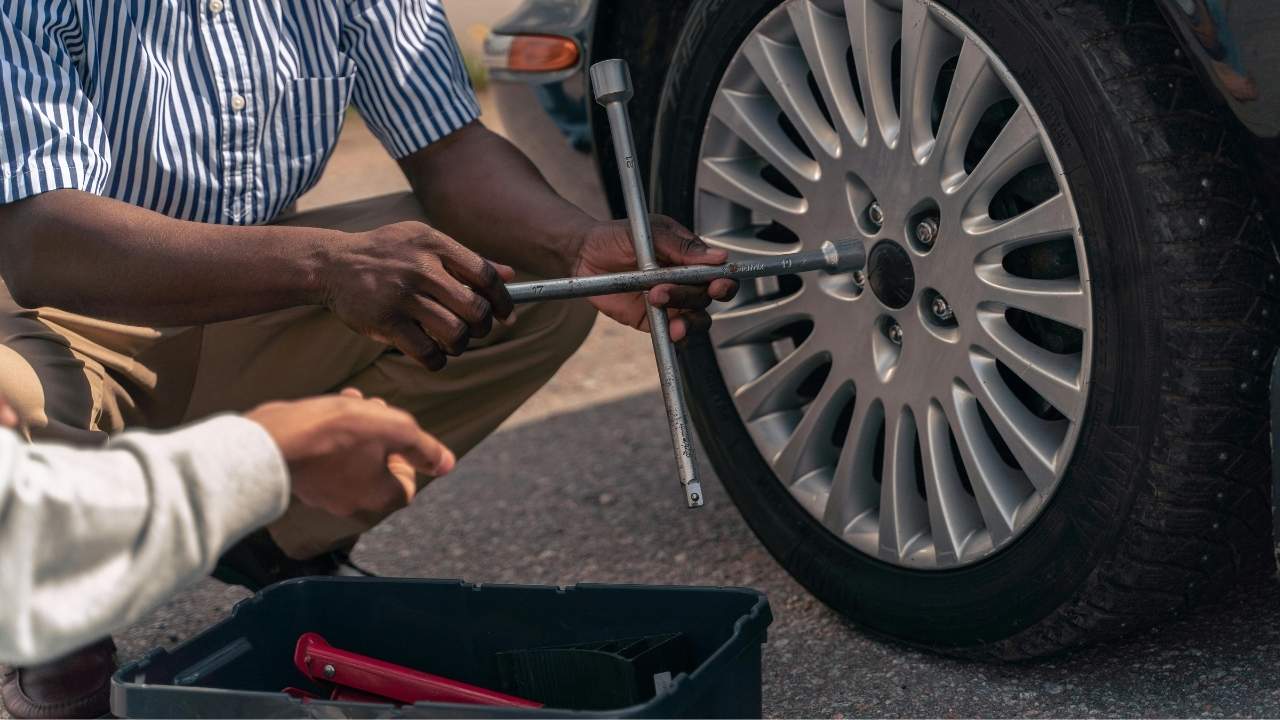
Spartec Jack is a strong device used in the lifting of heavy objects. Although the exact model is not at hand, we can know it through similar tools. As a home application, such a jack would probably be a hydraulic bottle jack. These jacks are very mighty despite their size, and hydraulic fluid is used to produce sufficient force in order to move cars, heavy machinery or even portions of a house during an overhaul.
The logic behind it is relatively straightforward; the less force applied to a smaller area produces a greater force to a bigger area and will enable you to move objects that you would otherwise be unable to move with your hands. To a homeowner, this would be a multi-purpose tool that could be used to change a flat tire on the family car to holding a beam when a homeowner is working at home. It is of a relatively small size (in the form of a bottle) and is relatively easy to keep in a garage or workshop, so that it is available whenever you require a serious dose of lifting power.
Why Every Homeowner Needs a Reliable Jack
Owning such a strong jack as a Spartec can be beneficial in many ways that are not only convenient but also useful. To begin with, it offers security and preparedness. It is invaluable that I could easily move a car to change a tire or to make a fast check. Secondly, it makes you self sufficient in DIY projects and maintenance. You need to level a deck, jack up a shed to change a rotten sill, or carry out a job on a trailer with new suspension, a good jack is often all that is required.
This independence may also result in big cost savings, since you will not have to employ someone to perform a small lifting exercise. Moreover, a good jack is a long term investment. A hydraulic jack that is in proper condition can serve decades, unlike most other tools that need to be disposed of after a short period; this will save you money in the long run as the hydraulic jack will be useful in numerous projects around the house.
Key Features to Look for in a Quality Home Jack
- There are some critical characteristics of a jack used at home, which depend on their safety, ability, and convenience. Please note the following points:
- Lifting Capacity: This refers to the maximum weight that the jack can lift in form of tons. The range of 3-ton-8 ton is usually adequate when it comes to a common sedan and SUV. In the case of heavier trucks or heavy equipment, you may require 12 tons or above.
- Lifting Range: This is the range of the jack, which is the range between the lowest point and the highest point of the jack. The jack may not have a high range, so it may not be able to lift your vehicle high enough to put jack stands in place or to take off a tire. Find a model that will fit your cars and projects.
- Quality and safety of the construction: Find a construction that is all steel based to avoid overloading and a safety relief value. A locking safety collar is also one of the essential qualities that are used to secure the load after lifting to avoid lowering accidentally.
- User-Friendliness: Take into account the mechanism of operation. A manual hand pump is found in most bottle jacks, and is slow, but does not need any external power. Heavier duty models may provide operation based on air-hydraulic to lift more quickly using an air compressor.
How to Safely Use Your Jack for Common Home Tasks
The improper use of a jack is risky. Every time you have to take the following safety measures:
Find Solid Ground: The jack must not be placed on uneven matter as it may cause the jack to fall. Concrete is ideal. It may sink and tip over when a jack is applied on weak soil such as dirt, sand and mud.
Lift at Designated Points: Lift only at the jack points that are recommended by the manufacturer on the car. Pressing on the frame, body panels or other weak spots can be very damaging.
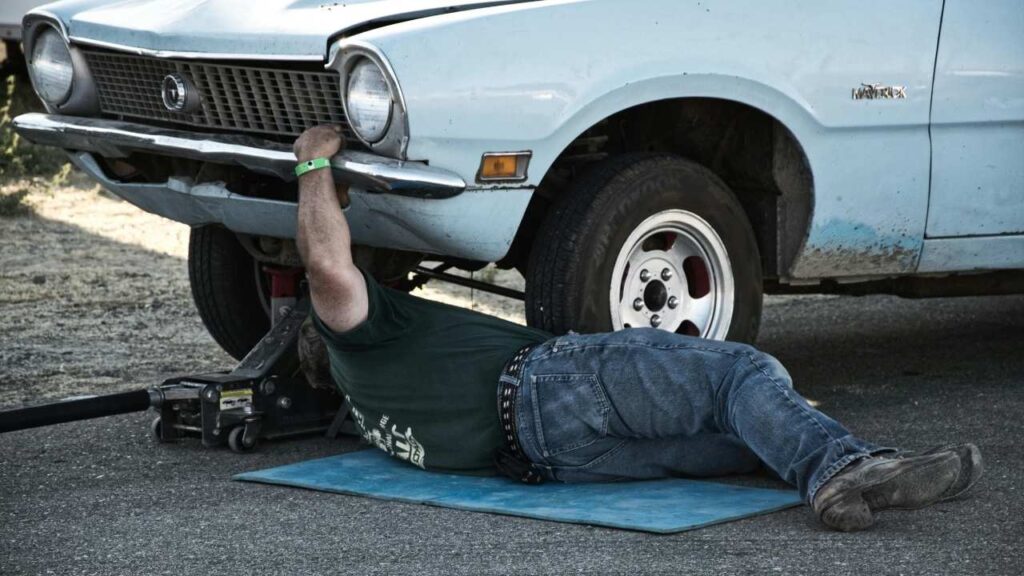
Lift Slowly and Carefully: Gently and slowly pump the handle to elevate the load. Avoid any sudden movements. Do not put any of your body parts under a vehicle that is held by a jack.
Secure with Jack Stands: A jack is not a support tool, it is a lifting tool. After the object has been raised to the height, immediately, put strong jack stands underneath it to support the weight. The jack may then be raised a little down on the stands.
Lower with Control: Due to the control, the hydraulic pressure valve should be released gently and slowly once the work is done so that the load could be lowered. A sharp load drop may happen out of control.
Maintaining Your Jack for Longevity and Reliability
The secret here is to keep your jack in good and working condition through regular maintenance to last many years. Here’s how to care for it:
Inspect Before Use: Visual inspection Before each use, briefly (visually) inspect on any visible signs of damage, cracks or leaks of fluid. Do not use a jack that is in a bad condition.
Check Hydraulic Fluid: Hydraulic fluid may leak or deteriorate with time. When the jack feels spongy or it does not rise to a full length, it might require a fluid refill or the seals that are used might be worn out and have to be replaced. The proper type of fluid is specified in the instructions of the manufacturer.
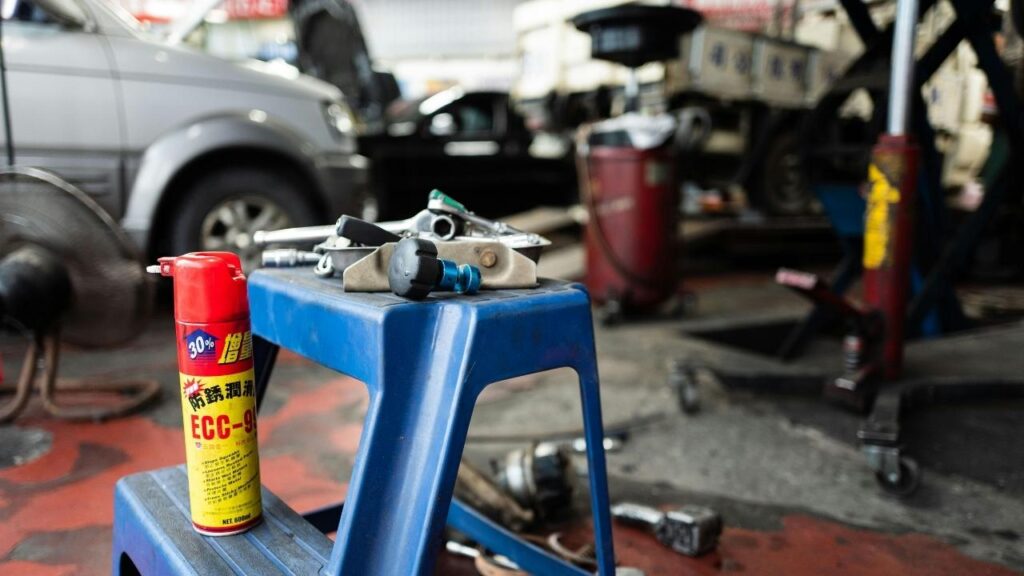
Wipe down: Wipe the jack after use to remove dirt and grit and moisture. It should be kept in a clean dry area to avoid rust and corrosion, which may impair its performance and safety.
Lubricate Moving Parts: Have the pump mechanism and the lifting piston (also known as the ram) lubricated periodically to make sure they run smoothly.
Choosing the Right Jack: A Homeowner’s Comparison
To help you understand how a tool like a Spartec Jack might fit into your toolkit, here’s a comparison with other common lifting tools.
| Feature | Hydraulic Bottle Jack (e.g., Spartec) | Scissor Jack | Floor Jack |
| Best For | Heavy-duty lifting, stable loads, workshops, and trucks. | Emergency tire changes (comes with most cars). | Quick vehicle lifts for mechanics and enthusiasts. |
| Lifting Capacity | High (3 to 44+ Tons) | Low (1-2 Tons) | Medium to High (2-6 Tons common) |
| Stability | Good on solid, flat surfaces . | Low, can be tippy. | Very good, with a wide base and wheels. |
| Ease of Storage | Excellent; compact and vertical design. | Excellent; flat and compact. | Poor; large and bulky. |
| Speed of Operation | Slow (manual pumping) . | Very slow (cranking). | Fast (long handle for rapid pumping). |
| Ideal User | Homeowners needing versatile, heavy-lift capability. | Car owner for emergency roadside use. | DIY mechanic working primarily on cars in a garage. |
Conclusion: The Spartec Jack – Your Partner in Home Empowerment
To conclude, the Spartec Jack is one of the testimonies of how mighty it is to have the tool for the task. It is not merely a gadget, it is an investment into your safety, independence and potential as a house owner. In this guide we have discussed how this strong hydraulic tool gives the strength to help us complete a large variety of jobs, both simple and large scale DIY projects and gives the confidence that comes with using a strong and powerful tool.
The last but most important steps towards incorporating this tool into your life successfully are the knowledge of its main features, strict safety measures, such as jack stands use, as well as basic maintenance. Owning a Spartec Jack means not only buying a jack but also a new step of independence and self-confidence in taking control of your house and your car. Therefore, fit your garage with this indispensable resource and take pride in the empowerment that will result in having the capacity to meet whatever lifting challenge is ahead.
FAQ’s
1. What is the main disadvantage of a bottle jack?
The disadvantage is that it has a low lifting range. A lot of bottle jacks do not have a long stroke, so you may need to re-shift them once more to get them to the full height that you require, which is inconvenient. They are also in constant need of lying on a perfectly flat and hard surface in order to be stable.
2. Can I use my Spartec Jack to hold up a car while I work under it?
No, never work under a car that has been jacked. Jacks are meant to lift, not to support. When lifting the weight of the vehicle, always place special jack stands that are rated so the weight is supported by the stand. The jack may then be reduced a little bit to leave the load on the stands.
3. My jack is leaking a clear or amber fluid. What is it and what should I do?
This fluid is hydraulic fluid that is necessary to form lifting pressure by the jack. When it starts leaking, then the jack is losing its power and it will soon break down. Do not use it. It is possible that the seals will require replacement and it may be the work of a specialist or may also justify the replacement of the jack in case it is expensive to fix it.
4. How do I know what weight capacity of jack I need for my home?
Get the manual of your car and find out the gross vehicle weight rating (GVWR) of your vehicle or the weight of the object that you need to lift. Select a jack that has a capacity that is larger than this mass. A 3-ton (6,000 lb) jack is a nice place to start with most family sedans and SUVs. In case of heavier trucks or machinery, then use 8 tons or more.
5. What is the difference between a bottle jack and a floor jack?
A bottle jack is small, vertical, and occupies a small area, thus it is excellent in storage and accessing a small space. Floor jack is long, low, and has wheels which make it easily rolled beneath a vehicle and offer a very stable base but consumes a lot of storage space.