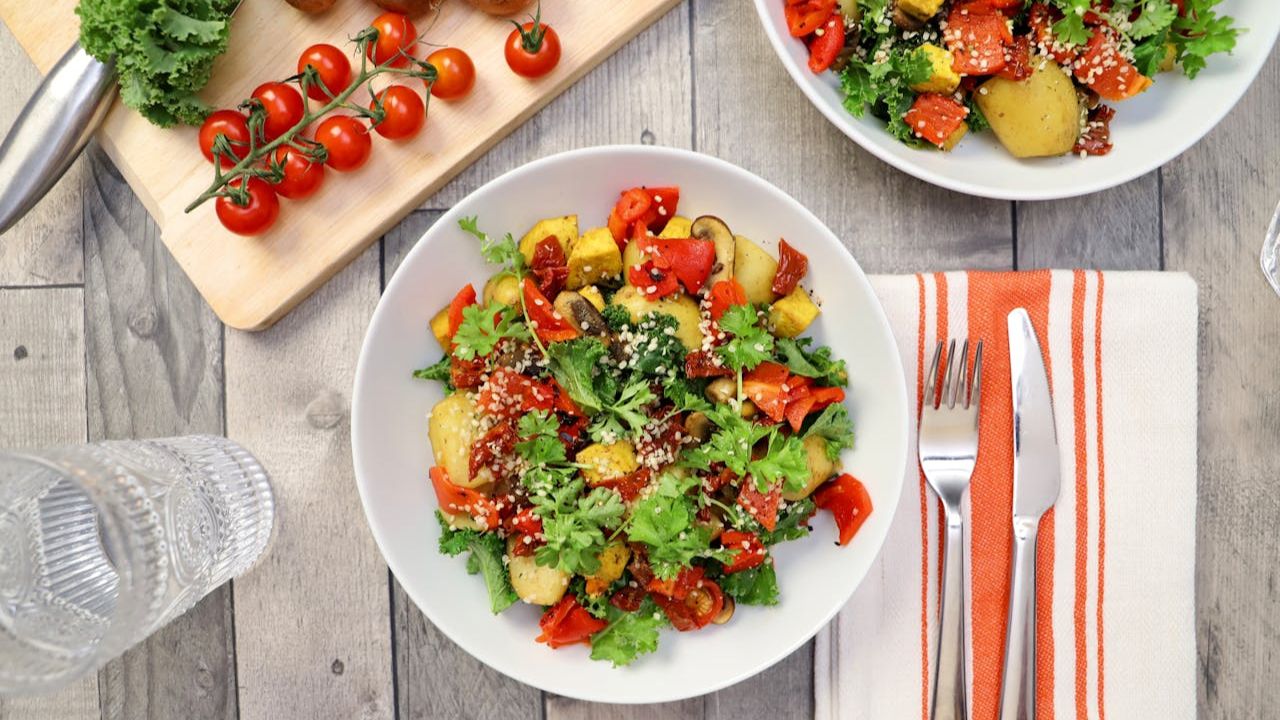
Welcome to the pleasant world of the Vegetable du Jour! When you ever happen to open a menu of a restaurant and come across this graceful French saying, you have encountered a simple yet effective concept of food. Translated as Vegetable of the Day, it is a celebration of what is freshest, most seasonal and most inspirational of any particular moment by a chef. Going beyond the frozen, all-year-round menu, the Vegetable du Jour is the live menu that puts your plate in touch with the beats of nature and harvests.
This model is likely to offer a healthier, tastier and more lively meal. This all-encompassing guide will delve into all you need to know about this concept including its philosophy and advantages as well as the ease with which you can bring the du jour vegetable spirit into your very own kitchen. Prepare to learn how you can make your meals extraordinary by making the vegetable of the day part of your meals.
What is the Vegetable du Jour?
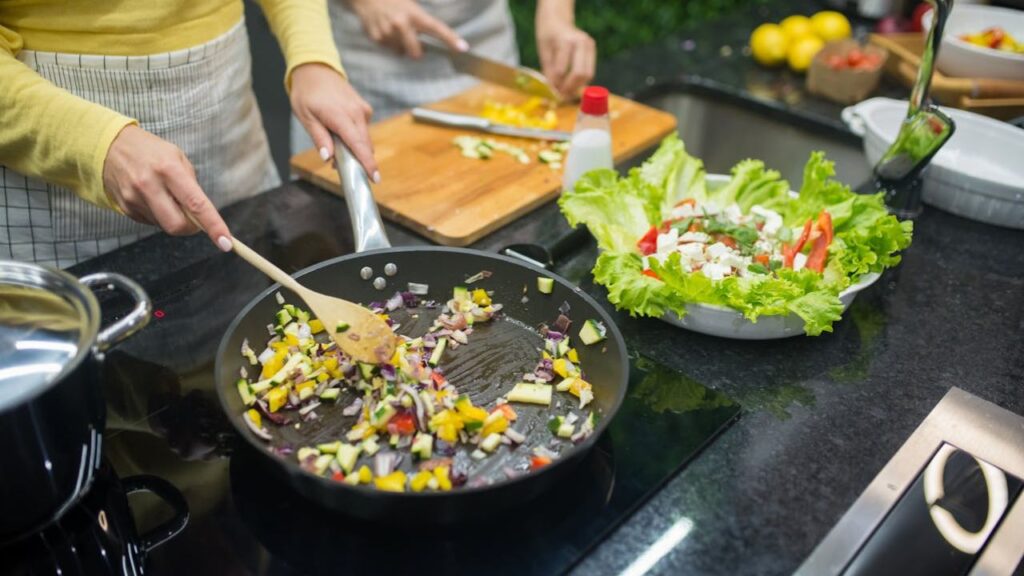
The Vegetable du Jour is a staple in the menu of most bistros and fine-dining restaurants, and it emphasizes a single. Specially prepared vegetable or a mix thereof, and is the same menu item that varies daily. Du jour is the French word that translates to of the day meaning that it is not here to stay but it is a one-day phenomenon. The practice forms the basis of seasonal cooking, in which the menu is planned to be based on what is in the harvest.
A chef may choose a vegetable as it has just come out of a local farm, is at the very top of its flavor, or as it is so abundant that it can be used creatively and at a low cost. The Vegetable du Jour takes the common vegetable and transforms him into a star. It may be an uncomplicated grilled asparagus and hollandaise for the spring, a hearty ratatouille in the summer. Or a warm comforting puree of roasted squash in the fall. It is a delicacy of the creativity of the cook and a blessing to the diner who wants to experience the present time.
The Philosophy Behind the Plate: Why “Of the Day” Matters
The philosophy of the Vegetable du Jour is founded on a strong cooking philosophy that emphasizes freshness. Quality and flexibility rather than strict consistency. It is in its core a manifestation of seasonality. A vegetable that is consumed in the natural harvesting cycle is infinitely better. It is sweeter, more nutritive and has a better texture than a product that was shipped all the way over the world, out of season. It is also a strategy that creates a good affinity with local sourcing. Since the vegetable is picked from a local farm and presented to the customer.
The chefs contribute to the local economy and cut the environmental cost of long-distance transportation. To the kitchen employees, the du jour vegetables are a canvas to exercise their creativity in cooking. It tests them and makes them think on their feet and create new preparations every day, maintaining the skills and making the menu interesting. To the diner, it is a feeling of surprise. It is a chance to have a taste of a vegetable that one might not order. Or one that one is used to that is now made in a totally new and wonderful manner.
The Benefits of Embracing the Du Jour Vegetable
Making a meal with the Vegetable du Jour in it offers a plethora of advantages that would improve your dining experience and health. The direct benefit is the improved quality and healthiness. Fresh veggies that have just been picked and cooked shortly after picking hold more of their vitamins and minerals and make them merely taste fresher and livelier. There is also the promotion of dietary variety through this practice. Adhering to the Vegetable du Jour year-round, you automatically seasonally rotate through an extensive variety of vegetables and thus.
Receive a good supply of a variety of nutrients and phytochemicals. Which is one of the pillars of a healthy diet. It is a greener option, environmentally. Locally and seasonally eating also leads to a smaller carbon footprint of your food. Lastly, it enlightens your culinary consciousness and appreciation. You hear of other vegetables, their distinctive taste. And how they can be processed in different ways, which makes you a more enlightened and daring eater.
How Restaurants Choose Their Vegetable of the Day
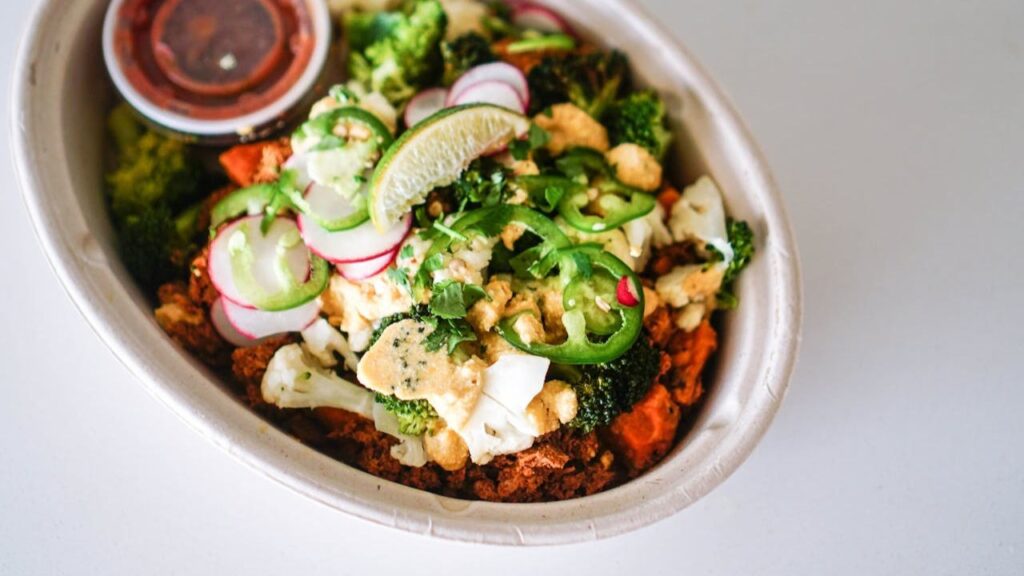
The determination of the Vegetable du Jour is an intelligent process. That is informed by a number of important factors that the chefs take into consideration, most of which, they do in the early morning. Of course it is what is there and in its best at the time. One of the chefs will scout the deliveries of their local purveyors or local farmers market to see what appears the freshest and brightest. The broad structure is seasonality; you are not going to see hearty root vegetables in July or delicate zucchini blossoms in January. Menu balance is also another important aspect.
The vegetable picked should be a supplement to the main protein dishes available that day. For instance, acidic tomato salad would go well with fatty fish. And creamy potato gratin would be an ideal accompaniment to a plain roasted chicken. Lastly, there is some influence on kitchen efficiency. On an occasion that a chef is making a stock with leek greens. It is natural to make the tender white parts of the leeks the Vegetable du Jour and use the leaves to the minimum possible.
Bringing the Concept Home: Your Own Kitchen du Jour
Even having to eat out in a restaurant is not a necessity to reap the benefits of a Vegetable du Jour. The philosophy can be easily implemented in your domestic kitchen by adopting this attitude and making a difference to your food. Begin with being a more aware consumer. Go to the grocery store or the farmers market, and have the produce section speak to you. Rather than coming with a set menu, visit the market and see what vegetables most appeal to you and base your meals around those.
Search for bright colors, solid texture and colorful leaves. After you have decided on your du jour vegetable. What comes next is to prepare the vegetable in a simple manner to emphasize the natural flavor of the vegetable. This may involve roasting it in oil, salt and pepper to caramelize the natural sugars in it. Steaming it and then topping it with a pat of butter and fresh herbs or grilling it to bring out a smoky flavor. It has a purpose to allow the quality of the vegetable itself to shine, rather than cover it with heavy sauces.
A World of Vegetables: Seasonal Inspiration for Your Du Jour
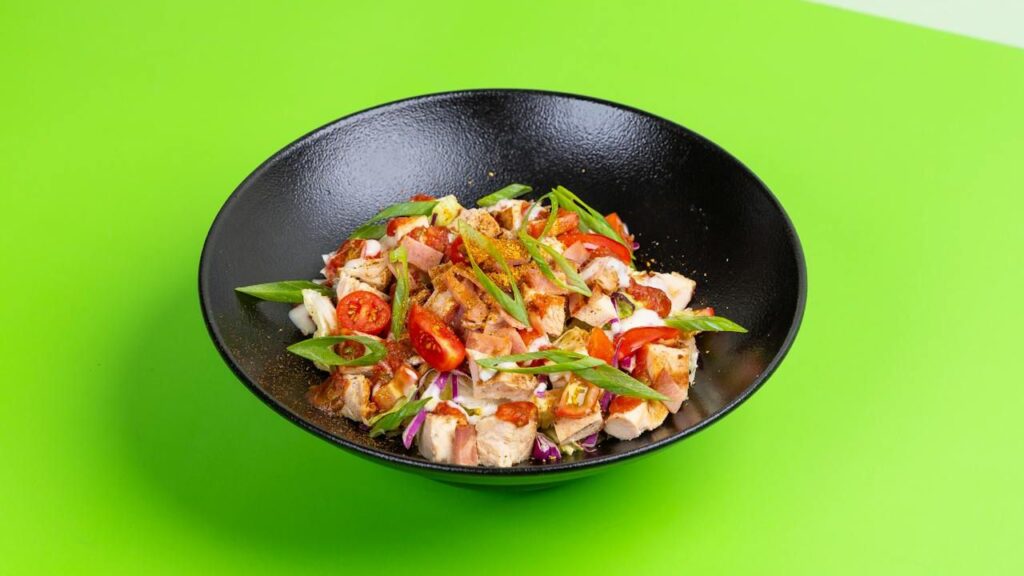
In order to get you started, here is a seasonal list of possible Vegetable du Jour stars and easy ideas on how to prepare them. During the Spring, seek out tender asparagus (roasted with lemon zest), fresh peas (blended into soup with mint), or artichokes (steamed and served with a vinaigrette). During summer, there is no lack of choices such as tomatoes (ripe and sliced with basil and mozzarella), zucchini and summer squash (grilled or made into “zoodles), and corn (off the cob and sauteed in butter and chives).
With the change of the seasons to Autumn, savor the down-to-earth taste of butternut squash (roasted and pureed), Brussels sprouts (shaved raw into a salad or roasted till crispy). And all kinds of mushrooms (sauteed with garlic and thyme). In the Winter, consider plentiful foods such as kale (massaged with lemon to make a salad), potatoes (the turn to a creamy gratin). And root vegetables such as carrots and parsnips (roasted together with rosemary). This cycling means that your diet is never stagnant and in line with the calendar of nature.
Vegetable du Jour vs. Standard Menu
It’s useful to observe how the “Vegetable du Jour” concept differs from the typical. Static menu selections in order to completely understand its worth. The main distinctions are broken down in the following table.
| Feature | Vegetable du Jour | Standard, Fixed Menu Vegetable |
| Freshness & Origin | Peak freshness, often local and seasonal. | Can be fresh, but may be shipped long distances or frozen to ensure year-round availability. |
| Flavor & Nutrition | Maximized flavor and nutrient retention due to short time from farm to table. | Flavor and nutrients can be diminished due to longer transport and storage times. |
| Variety & Creativity | High; changes daily, offering constant variety and encouraging chef creativity. | Low remains the same, leading to monotony for both the chef and the diner. |
| Sustainability | High; supports local farms and has a lower carbon footprint. | Lower; often relies on global supply chains with higher transportation emissions. |
| Dining Experience | Creates a sense of discovery and a connection to the current season. | Predictable and consistent, but can lack a sense of occasion or timeliness. |
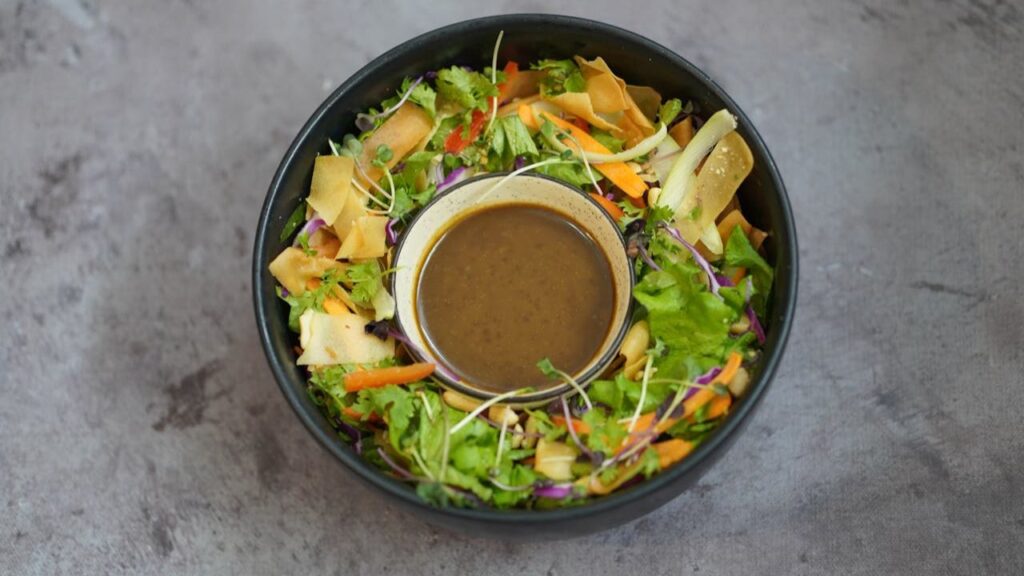
Celebrate the Simple Joy of the Vegetable du Jour
With the advanced food trends and year-round food availability, the Vegetable du Jour seems to be a very refreshing and clever way of eating. It is an idea that respects the natural environment. Benefits local people and will give us the best flavors we can find in our dishes. When you order the vegetable of the day at a restaurant or simply take care of the vegetable of the day at home. You are making a specific choice that you are eating fresher, more varied food, and more delicious.
It is a minor change of mind which benefits your health, your taste, and the planet greatly. The next time you have a meal to make, therefore, have your market inspire you. Inquire what is new, what is beautiful, what is in season. The Vegetable du Jour is a state of mind and a way of living. And it will change how you eat every day into a constant party celebrating the wonderfulness of nature.
FAQ’s
1. Is the Vegetable du Jour always more expensive?
Not always. Although it can be found in upscale dining establishments, the Vegetable du Jour is frequently a means for chefs to make use of plentiful, in-season produce that is at its most reasonably priced. A vegetable is a wise and economical feature because there is a large supply during its prime harvest, which usually results in a lower price.
2. I’m a picky eater. What if I don’t like the vegetable of the day?
This is a typical worry! Before placing your order, a good server will always be happy to explain what the Vegetable du Jour is. You can typically request a substitution with another common side dish from the menu if you know you don’t like it. Though the restaurant’s policies may not always allow this.
3. Can I request the preparation method for the du jour vegetable?
Most of the time, the chef sets the preparation to highlight the vegetable in a particular way. If you have dietary restrictions, you can always ask your server if there are any easy changes that can be made. Like having the vegetable steamed without butter. Asking nicely never hurts.
4. How can I find out what’s in season in my area?
Seeing what’s in season at your local farmers’ market is a great way to learn! Additionally, you can look up “seasonal produce guide” online by entering your state or region. Numerous agricultural extensions offer monthly calendars that list the fruits and vegetables that are being harvested.
5. Is this concept only for fancy restaurants?
Not at all! The idea is universal, even though the phrase is frequently used in high-end dining. By simply deciding to use the ingredients that look the best at the market each week, any home cook can embrace the “du jour” mentality. It’s a custom that adds flavor and specialness to regular meals.